

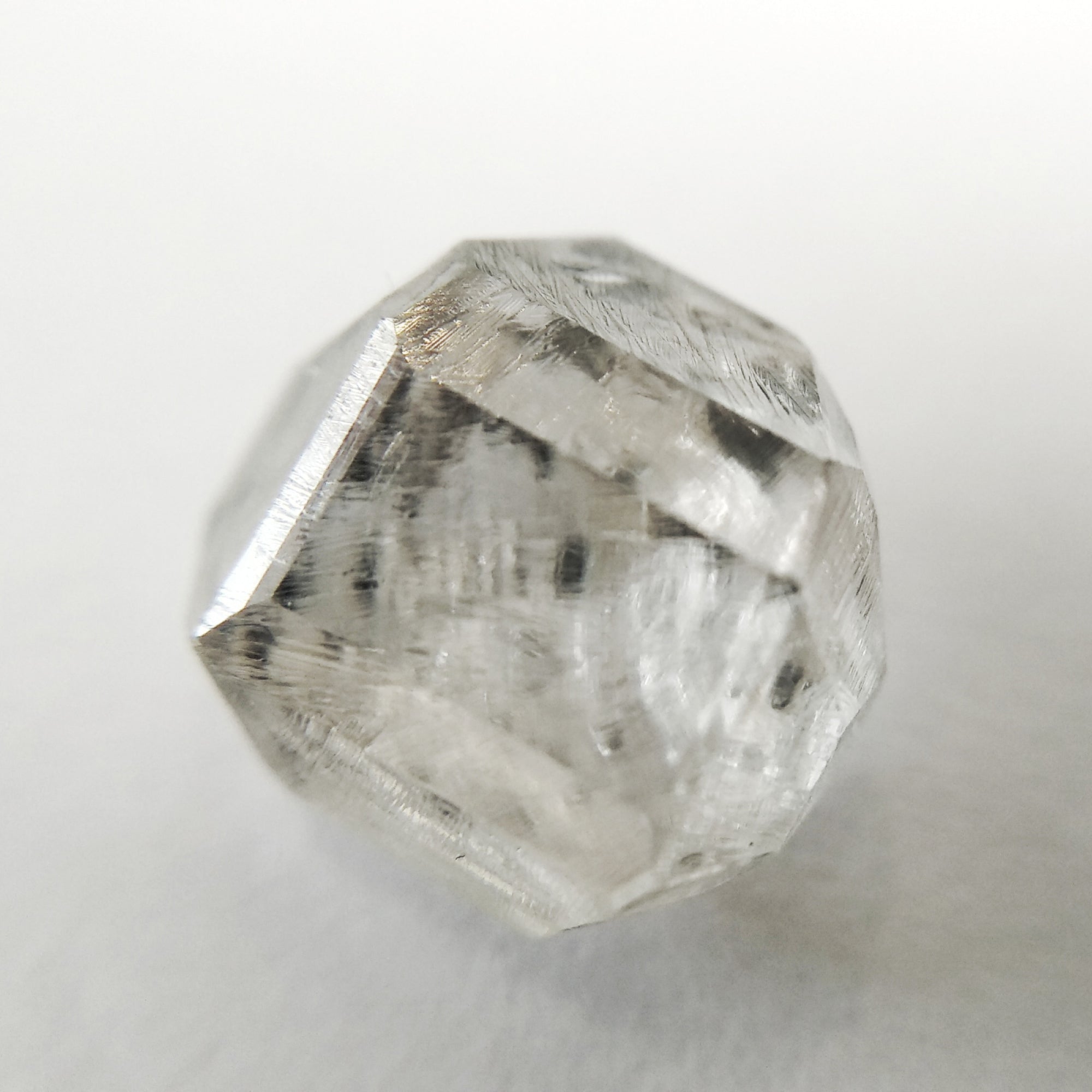
When you hear the words “lab-created diamonds,” what comes to mind? For some, it’s the image of a sparkling gem that looks just like the ones in the store windows—only with a smaller price tag. For others, it’s a bit of skepticism. Are they real diamonds? And what’s the deal with HPHT vs CVD? If you’ve been secretly Googling this at midnight while eyeing engagement rings online, you’re not alone.
Let’s break it down. No fluff. No boring textbook jargon. Just the real talk about lab-created diamonds and how these two methods—HPHT and CVD—actually stack up.
The Story Behind Lab Diamonds
Think about it. The diamond industry has always been wrapped in mystery, glamour, and, let’s be honest, a little controversy. Mined diamonds have their history, their romance, their drama. But along came technology, and suddenly we could create diamonds in a lab. Same sparkle. Same hardness. Same “wow” factor. Just born a little differently.
Here’s where the plot thickens. There are two main ways lab created diamonds: HPHT (High Pressure High Temperature) and CVD (Chemical Vapor Deposition). Sounds fancy, right? Almost like something out of a sci-fi movie. But the truth is, these methods have been around for a while.
HPHT was the OG—it mimics the insane pressure and heat deep inside the Earth. CVD came later, a sleeker and more modern process that grows diamonds layer by layer, almost like 3D printing with carbon.
And suddenly, people had choices. Real ones. The same way you might pick oat milk instead of dairy. Or Netflix instead of cable.
HPHT vs CVD: What’s the Difference, Really?
Here’s the fun part. Let’s line them up side by side, like two contestants on a reality show.
HPHT (High Pressure High Temperature):
Think of this as the tough, old-school method. A carbon seed is put under ridiculous pressure and crazy heat until it transforms into a diamond. It’s intense. Like nature’s process, just sped up.
- Pros: Often cheaper, produces very clear diamonds, great for larger stones.
- Cons: Sometimes a little tint (yellowish hues), not as energy-efficient.
CVD (Chemical Vapor Deposition):
Now this one is more like science art. A thin slice of diamond “seed” is placed in a chamber, and carbon gas rains down on it, building the diamond layer by layer. Slow, steady, controlled.
- Pros: Very pure, can create stunningly colorless diamonds, energy-efficient.
- Cons: Sometimes shows little patterns (like growth lines), and may need extra treatment.
So which is better? Honestly—it depends. Some people swear by CVD because of its clean look. Others love HPHT for its affordability and reliability.
To be fair, if you put one HPHT diamond and one CVD diamond in front of most people… they wouldn’t know the difference. Only gemologists with special tools can really tell.
Why People Care (And Why You Might, Too)
Here’s the thing. Buying a diamond isn’t like buying socks. It’s emotional. It’s tied to proposals, anniversaries, milestones. So naturally, people want to know exactly what they’re getting.
Trends are shifting, too. More couples are saying “yes” to lab-created diamonds not just because they’re often more affordable (sometimes 30–40% less than mined ones), but because they feel better about them. No mining drama. No ethical headaches. Just sparkle without guilt.
And let’s be real—being able to get a bigger diamond for the same budget? That’s tempting. I’ve seen couples who thought they’d only afford a 1-carat mined diamond walk away with a 2-carat lab-created beauty. Twice the sparkle. Zero compromise.
The Local Angle: Why It’s Different Here
Depending on where you live, the story of lab diamonds shifts. In places like the U.S. and Europe, lab diamonds are becoming super mainstream. Ads are everywhere. Jewelers are stocking them proudly.
But in some regions, there’s still hesitation. Tradition runs deep, and mined diamonds hold a certain status. If you’re in a market that’s still warming up to the idea, you might find lab diamonds harder to come by—or seen as “new kids on the block.”
Yet, that’s changing. Fast. Younger buyers (think millennials and Gen Z) don’t care about “tradition” as much as they care about transparency and value. If they can get the same sparkle and put the savings toward a honeymoon in Bali instead of the mining industry? You bet they will.
How It Works (Without the Science Lecture)
Let’s keep this simple.
-
Start with a seed. Both HPHT and CVD need a tiny sliver of diamond to start.
-
Apply the method.
-
HPHT: Blast it with pressure and heat until carbon transforms into a diamond.
-
CVD: Expose it to carbon-rich gas, and let the diamond grow like a crystal snowflake.
-
Cut and polish. Once the diamond is grown, it’s treated just like a mined diamond. Cut, shaped, polished.
Certified and graded. Yep, lab-created diamonds get the same certificates as mined ones (think GIA, IGI).
At the end of it all? You’ve got a diamond. Not “fake.” Not “simulated.” A real one. Just with a different origin story.
Wrapping It Up
So, HPHT vs CVD—which one wins? Honestly, it’s not really about winning. It’s about what feels right for you. Both create stunning, real diamonds that can carry just as much meaning as a mined one.
At the end of the day, lab-created diamonds are less about the method and more about the story you want to tell. And that’s the part no lab can manufacture.